



Heat Pumps and Cold Weather - Q&A / Myth Busting

Some myths take a while to go away… Decades ago, Atlanta Green Builder Matt Hoots would likely have agreed that heat strips were often needed to help heat pumps keep up with heating demand in colder weather. Technology has since evolved, and this practice is no longer needed down to 20 degrees or even 0 or below, but with cold weather heat pumps.
In this video, Matt addresses some persistent concerns about heat pumps and cold weather. Right off the trade show floor, the Mitsubishi team shared with Matt they had a heat pump working great at -22 degrees. Now that’s a special situation, but the results have been promising.
A key point Matt makes is that we can’t just blame good equipment when things go wrong. First of all, in colder weather, we do need to use special cold weather heat pumps to get the job done. So do first make sure you have the right equipment for the job. For example, in the Arctic Circle, it won’t be the same heat pump as you’d install in Massachusetts.
Equipment also has to be sized right for the job. Ideally, we should air seal and insulate so that we can avoid installing a bigger system than we need, which would also mean paying more up front and then also consuming and paying for more energy than we need. Proper modeling or testing and design will also ensure systems aren’t undersized, which also means suboptimal performance. Pressure and air flow must be measured for existing buildings to learn where systems are leaking air and are losing energy. For newer and/or tighter buildings, it’s important that we make sure the have equipment, including ventilation, match the health, energy and comfort needs and goals of occupants.
Next, it’s important that the conditions are optimal for equipment to do its job, and efficiently. If there’s no insulation, a heat pump will have to work quite a bit harder, and it won’t perform as efficiently or effectively.
Ideally, systems will be variable, so they can adjust for actual conditions and not assume “design” conditions, which only exist for a percentage of the time. Variable speed systems can run continuously calling for only the entry needed, and maintaining comfort with fewer extremes.
Education is also key, for professionals and also for the consumers who will operate and maintain systems. What are consumer responsibilities, and what should the proper maintenance schedule be? Without these conversations and proper planning and testing, old problems are more likely to contuse. We risk replacing existing systems without analyzing what improvements we can make, and this leads to wasted energy and money and often a lack of comfort as well. Undersized, oversized, or under-maintained systems are much more likely to need more expensive maintenance or supplemental equipment, and they are likely to have s shorter operational life as well. Especially in today’s tighter homes, old rules of thing don’t work.
This video was made in response to comments and concerns about an existing video on heat pumps, that heat pumps don’t performant in cold weather. This comment gave Matt the opportunity to reply and keep the conversation going. This example illustrates that it’s important to ask these questions and talk when we might disagree as well, so we can all find the best answers and move forward together towards healthier and more sustainable buildings for everyone.
Additional Rate It Green discussions on Heat Pumps:
Mini Split Compressor Placement in Cold Climates
Mini Split Cold Weather Design Advice and Guidelines, with Mitsubishi
Heat Pumps - Energy Efficient and Cost Effective Heating & Cooling Solutions
Can heat pump water heaters extend the life of your EV?
Rheem's Plug-In Hybrid Heat Pump Proterra Water Heater - Energy Efficient and Also Great for Retrofits
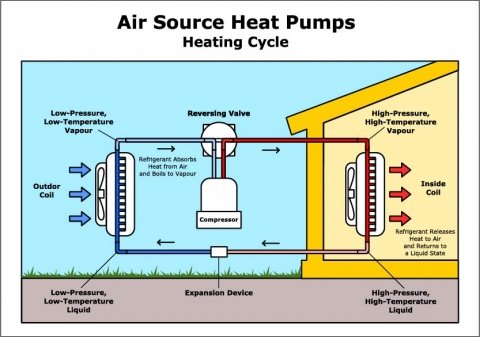
Image: Energy.gov
Replies: 0