



Deciding When to Replace Windows

Thanks to GreenBuilder Matt Hoots of Sawhorse, Inc. for kicking off our series on Windows and Energy Efficiency!
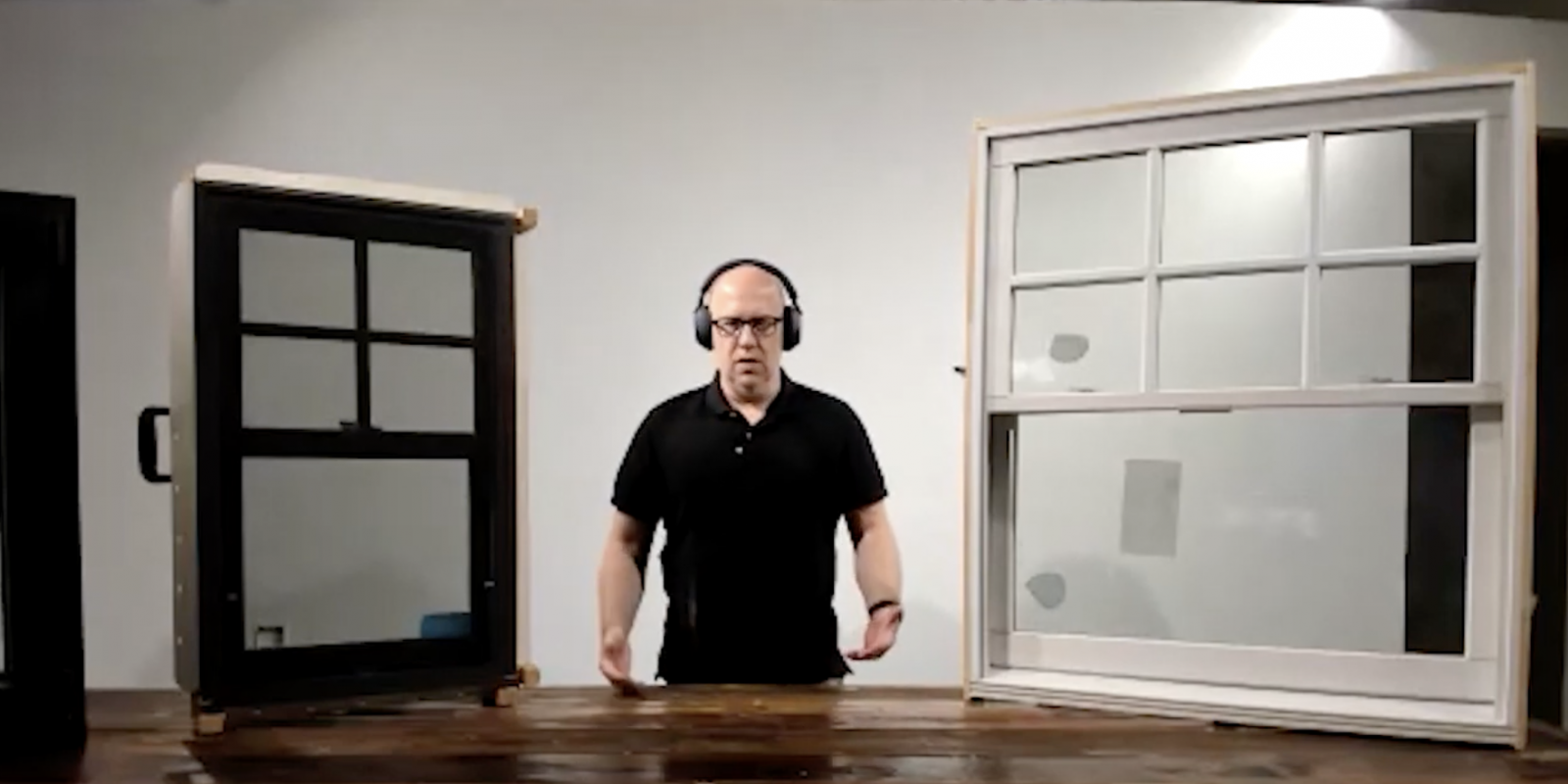
In this conversation, Matt explains when it’s time to start thinking about window replacement, and the answer might not be what some of us expected. With a great focus recently on energy efficiency reducing energy consumption, we might think that replacing windows can lead to energy efficiency gains.
But as Matt and Mike Barcik of Southface recently reviewed, new, more energy efficient windows can reduce electric bills by perhaps as much as 12% but this is after someone has to invest quite substantially in the windows and installation. So while there are ansolutely gains from new windows, it’s not half a home’s energy or windows that will “pay for themselves, or anything like that magnitude. So windows should be on the list of considerations, especially if they’re older, but other measures like air ealing and insulating can come first and are likely more affordable upgrades.
So, when should we replace windows?
- Age: When windows are significantly old, it’s time to replace them. if you’re windows are several decades old, it’s time to take a look at how they’re working and how they’re performing.
- Faliure/damage: Windows should be replaced if they’re failing. Are the windows leaking air or are they rotting, or is there other observable damage?
- Not operating properly: Are the windows falling apart enough that they don’t work well? Did they perhaps get painted shut or stuck in a way that can’t be remedied?
- Lead risk: If windows are older than 1978, then it’s important to check for lead. Operating sashes with lead paint can create dust, which has health effects particularly for small children. That said there are options for remediating lead which do not necessarily involve window replacement.
Before replacing your windows, make sure you understand the problem and all of your options. A leaky window in many cases is not leaking because of the window itself, but drafts often come from around the frame, casing, and trim.
Proper maintenance is also important, as window deterioration also comes from a failure to paint regularly, or prime fully. Make sure to caulk around window frames, as installers may not have used the right weather stripping or may not have installed or sealed the window properly, or the materials may have deteriorated over time or due to lack of maintenance.
If you'd like to learn more about windows and energy efficiency, see our additional window discussions and articles!
- Windows and Energy Efficiency - Factors for Making Better Choices
- Top Factors for Selecting New Windows
- Deciding When to Replace Windows
- European vs. American Windows - What's the Difference?
- Energy Efficient Steel Windows and Doors - Arcadia Custom

.png)
Replies: 0