



There are more to toilets than just low flow

When low-flow toilets were introduced to the market decades ago, they were a complete failure. Toilet manufacturers took older models and changed a few parts to be compliant. I even remember in the '90s, people installed the compliant model, and after the inspections, they would change them out to the model "that worked."
While this was not good for water savings, how much water were you saving them if you had to flush 2-3 times? Low flow immediately got a bad reputation that persists in many minds today.
Close to 20 years ago, I studied different toilets from around the world and learned that not all toilets were created equally. In some parts of the world, their toilet is designed to have the water/ waste sucked out versus water pushing the waste through. Some American toilets have adopted this technology, making them flush better while being low flow.
While at the International Builder's Show in Vegas this year, I ran into some friends at the Niagara booth. I knew Niagara as the "water-saving" company, and they have also excelled in toilet design. What I like about them are their performance and affordability.
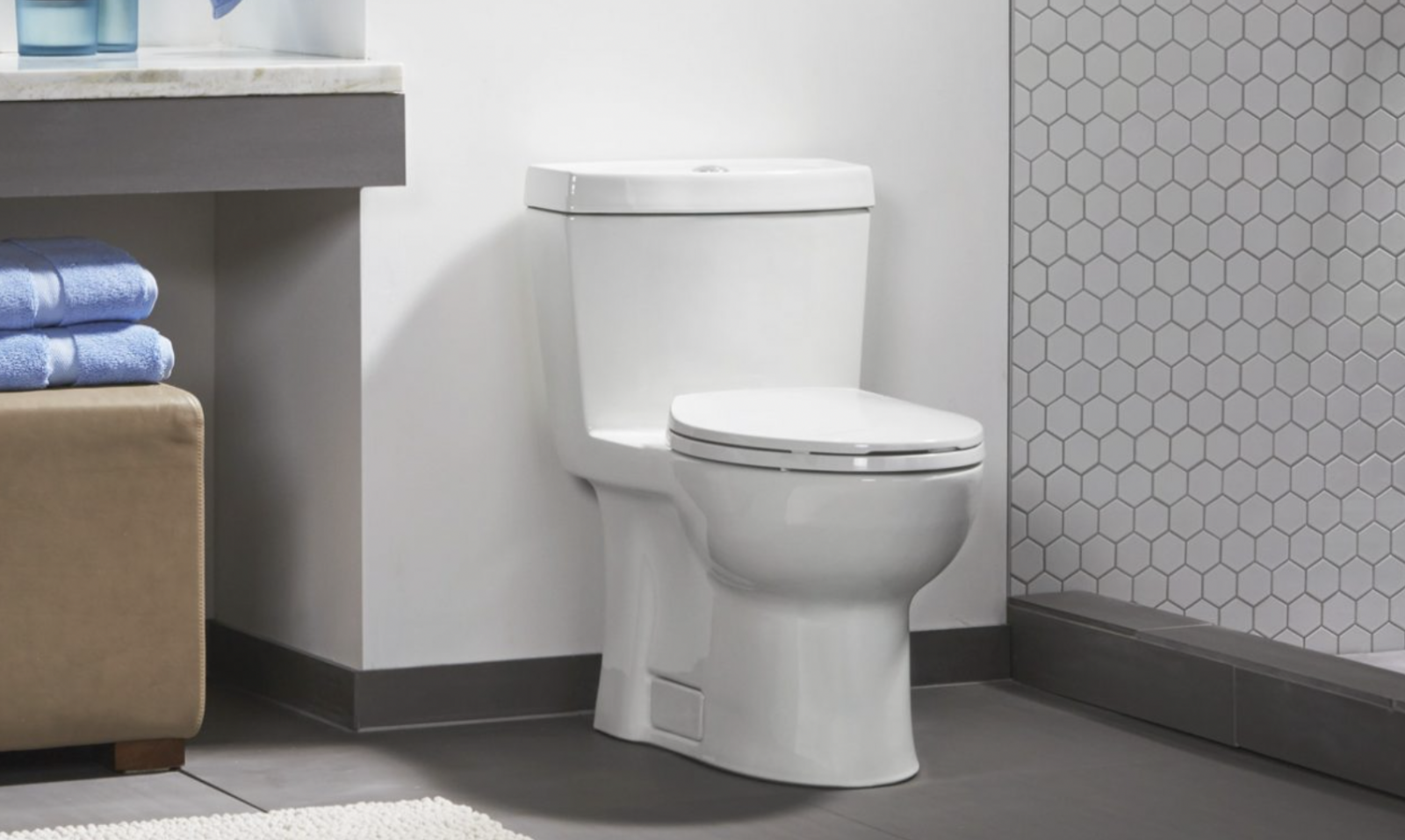
In this video, Niagara rep, Macy Muzljakovich, explains that this new model is a low-flow toilet with a high MaP rating. MaP ratings are designed to show how well a toilet can flush solid waste, and many of their toilets max out at 1000/ 1000, which is pretty impressive, especially for a low-flow toilet.
If sustainable design is to thrive, it must work well. A toilet that is low flow but cannot flush well will end up in a landfill which is not sustainably at all.

Replies: 0