



California is Paying Other States to Take Its Excess Solar Power
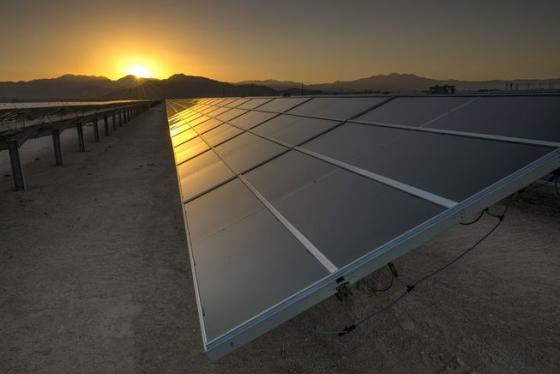

California’s solar power has been booming in recent years. In 2010, only 0.5% of electricity in California was produced by solar power. In 2016, solar power, from both rooftop panels and solar facilities, accounted for nearly 15% of all Californian power needs. As Jack Sawyer said in his discussion “California's Excellent Problem - Excess Solar Energy!,” California has recently been producing excess solar energy, and is sending some of it to surrounding states such as Nevada and Arizona. Excess solar energy may sound like a purely positive problem to have to deal with, but when too much electricity flows back into the grid, it can overload the transmission lines and lead to blackouts. So when California produces more solar energy than it needs, it sends the excess to Arizona. However, when this happens, Arizona needs to curtail its own energy sources, which can cost them money. So, as an economic incentive, California is paying Arizona to take their excess solar power. Is seems contradictory to pay someone and simultaneously provide them with a resource, but if it helped decrease the need for fossil fuel based energy sources, then wouldn’t it be worth it? The ironic thing is that when Arizona is provided with this solar energy, it curtails its own renewable energy instead of reducing its use of fossil fuels. So sending this excess renewable energy to Arizona is not helping reduce greenhouse gas emissions. In this light, California’s excess renewable energy does not necessarily sound positive at all. The solution to this problem lies in being better able to store this excess solar energy. Currently, it’s too expensive to store all this energy in batteries and save it for a day when the sun isn’t shining and the solar panels aren’t producing enough energy. But the technology is quickly advancing, and is expected to be able to reliably work with renewables within 10 to 20 years. If this all falls into place, California should easily be able to fix its excess solar energy problem, and also reach its goal to work 50% on renewables by 2025. For more information on California’s solar power: http://www.latimes.com/projects/la-fi-electricity-solar/ To read Jack’s article “California's Excellent Problem - Excess Solar Energy!”: http://www.rateitgreen.com/green-building-community/groups/posts/california-s-excellent-problem/1167
Replies: 1